
Rear Loader vs Front Loader: Which Is Better?

129 Views
Waste collection trucks come in different types, each designed for specific applications. Two of the most common types are rear loader trucks and front loader trucks. Understanding their differences helps municipalities, commercial waste contractors, and industrial operators choose the right vehicle for their needs.
Overview of Rear Loader Trucks
Rear loader trucks collect waste from the back of the vehicle. Workers manually load garbage bags, bins, or bulky items into a rear hopper. The waste is then compressed by a hydraulic compaction system into the storage body. Rear loaders are versatile, maneuverable, and suitable for residential areas, small commercial properties, and narrow streets. They can handle mixed waste types, including irregular or bulky items, and are generally cost-effective to purchase and maintain.
Overview of Front Loader Trucks
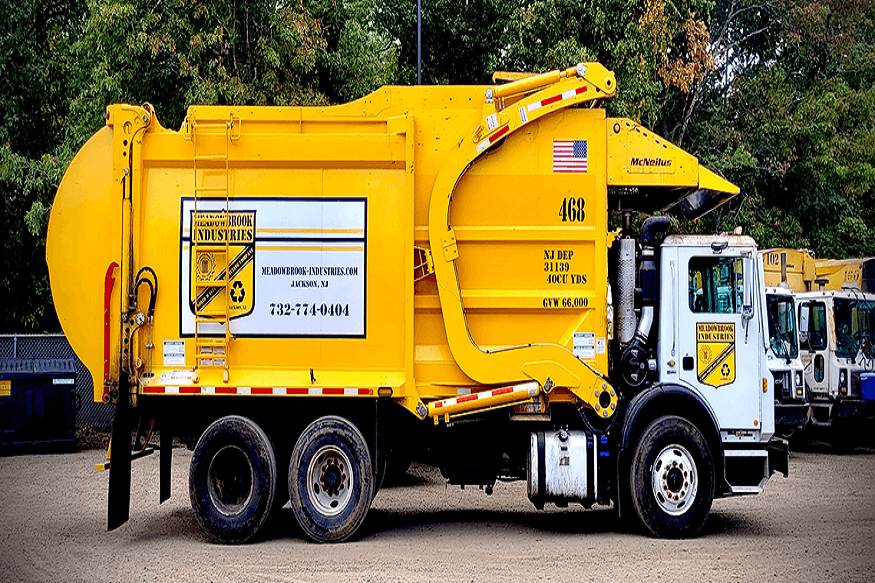
Front loader trucks, in contrast, collect waste from the front using hydraulic arms that lift and empty large commercial or industrial bins into the hopper. They are designed for heavy-duty, high-volume commercial waste collection, such as from restaurants, warehouses, or apartment complexes with standardized dumpsters. Front loaders are highly efficient for moving large quantities of waste quickly, especially where automated loading improves speed and reduces labor.
Key Differences Between Rear and Front Loaders
1. Loading Method:
-
- Rear Loader: Manual or semi-manual, from the back.
- Front Loader: Automated lifting arms that empty large bins from the front.
- Rear Loader: Manual or semi-manual, from the back.
2. Capacity and Volume:
-
- Rear Loader: Moderate capacity, suitable for mixed residential and small commercial waste.
- Front Loader: Larger capacity, designed for high-volume commercial or industrial waste.
- Rear Loader: Moderate capacity, suitable for mixed residential and small commercial waste.
3. Maneuverability:
-
- Rear Loader: Compact design allows access to narrow streets, alleys, and residential areas.
- Front Loader: Larger size and longer wheelbase make them less suitable for tight urban streets.
- Rear Loader: Compact design allows access to narrow streets, alleys, and residential areas.
4. Cost:
-
- Rear Loader: Typically lower purchase and maintenance costs.
- Front Loader: Higher initial investment and maintenance costs due to automated systems and larger size.
- Rear Loader: Typically lower purchase and maintenance costs.
5. Labor Requirements:
-
- Rear Loader: Requires more manual labor to load waste.
- Front Loader: Requires fewer operators for collection due to automated bin lifting.
- Rear Loader: Requires more manual labor to load waste.
Advantages of Rear Loader Trucks
- Flexibility to handle varied waste types, including bulky or irregular items.
- Better suited for residential neighborhoods with narrow streets.
- Lower cost of ownership, including maintenance and repairs.
- Simpler operation and easier maintenance for small to mid-sized fleets.
Advantages of Front Loader Trucks
- Excellent for high-volume commercial waste collection.
- Faster collection from standardized large bins, reducing route time.
- Less manual labor, lowering the risk of worker injury.
- Strong hydraulic systems for heavy or dense waste.
Choosing the Right Truck
The decision between a rear loader and a front loader depends on several factors:
- Route Type: Residential areas favor rear loaders; commercial or industrial routes favor front loaders.
- Waste Volume: High-volume waste sites benefit from front loaders, while smaller loads suit rear loaders.
- Budget: Smaller municipalities or contractors with limited budgets may prefer rear loaders.
- Flexibility Needs: If the collection involves mixed, bulky, or irregular waste, rear loaders offer more versatility.
Conclusion
Neither type of truck is universally “better”; it depends on the specific waste collection needs. Rear loader trucks excel in residential and mixed-use routes due to their maneuverability, versatility, and lower costs. Front loader trucks are ideal for high-volume commercial or industrial waste collection, where speed and automation are priorities. Understanding the differences ensures waste managers choose the truck that best aligns with their operational requirements, budget, and service goals.


More Stories
The Path to Organizational Wellbeing and Success
When employees feel frustrated or exhausted, businesses often see the consequences quickly. Discontent may arise from a challenging workplace culture,...
Best Tile Cleaning Practices for Restaurants, Cafés & Commercial Kitchens
Clean floors do more than look good. In the hospitality industry, tile floors are a critical component of safety, hygiene,...
How Charlotte Companies Can Maintain a Safe and Spotless Workplace with Professional Cleaning
Keeping a workplace clean isn’t just about appearances—it’s about safety, productivity, and the overall well-being of employees. For Charlotte businesses,...
How ReflexEquip Heavy Duty Castors Improve Workplace Safety
In modern industrial and warehouse environments, safety is non-negotiable. One often overlooked yet critical component contributing directly to operational safety...
Experience Ultimate Freedom with an Explorer Yacht Charter Along the Amalfi Coast
Explorer yacht charter on the Amalfi coast is the ultimate way to explore Italy’s famous coastline in unmatched style and...
The Soul of the Isles: Cultivating Authentic Connections on a Santorini Yacht Charter
For the truly enlightened traveler, the essence of a journey lies not merely in gazing upon iconic vistas, but in...