
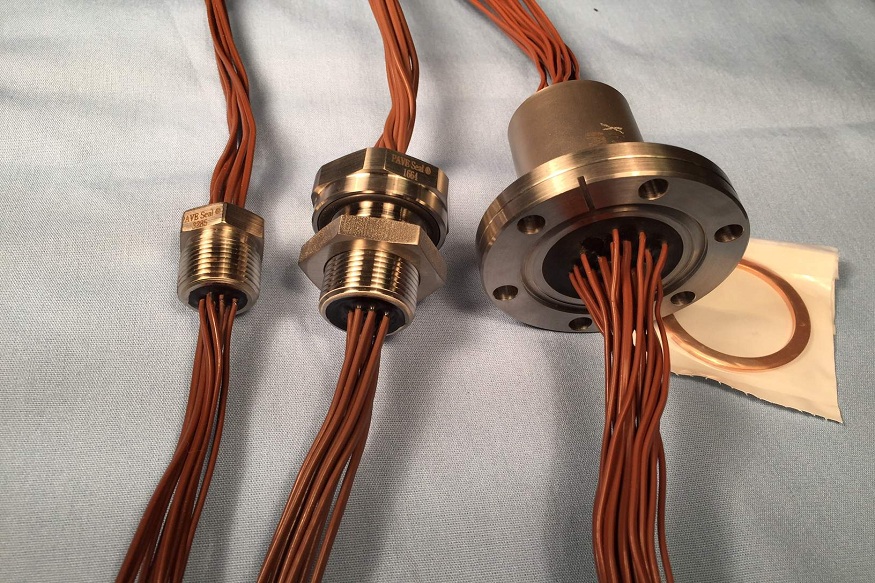
Invisible Seals: Exploring Hermetic Feedthroughs

188 Views
In the world of electronics, especially in industries where sensitive components need to be protected from environmental factors, hermetic feedthroughs play a crucial role. These invisible seals ensure that electronic devices remain safe from moisture, dust, and other contaminants that could potentially cause damage. Let’s delve deeper into the world of hermetic feedthroughs and understand how they work.
What are Hermetic Feedthroughs?
Hermetic feedthroughs are specialized components used to create a sealed passageway through a barrier, such as a housing or enclosure. These feedthroughs are designed to maintain a hermetic seal, which means they are completely airtight and impervious to outside elements. This level of sealing is critical in applications where moisture or other contaminants could compromise the integrity of electronic components. One of the key features of hermetic feedthroughs is their ability to provide a durable and reliable seal over an extended period. This is achieved through the use of high-quality materials, such as glass or ceramic, that are resistant to corrosion and degradation. Additionally, hermetic feedthroughs are often designed to withstand extreme temperatures and pressure levels, making them suitable for use in a wide range of industrial applications.
How Do Hermetic Feedthroughs Work?
Hermetic feedthroughs work by creating a barrier between the inside and outside of a sealed enclosure. This barrier is typically made of a material that is impermeable to gases and liquids, ensuring that no contaminants can enter the enclosure. The feedthrough is then attached to the enclosure using a specialized sealing technique, such as welding or brazing, to ensure a tight and secure fit.
Once the hermetic feedthrough is in place, it acts as a conduit for electrical signals, allowing components inside the enclosure to communicate with external devices. This is achieved through the use of specialized connectors that pass through the feedthrough without compromising the integrity of the seal. In this way, hermetic feedthroughs enable the safe and reliable operation of electronic equipment in challenging environments.
Applications of Hermetic Feedthroughs
Hermetic feedthroughs are used in a wide range of industries and applications where reliability and durability are paramount. Some common examples include:
- Medical Devices: Hermetic feedthroughs are used in medical devices such as pacemakers and implantable sensors to ensure that sensitive electronics remain protected from bodily fluids.
- Aerospace: In aerospace applications, hermetic feedthroughs are used in satellite systems and aircraft instrumentation to withstand the rigors of space and high-altitude environments.
- Oil and Gas: Hermetic feedthroughs play a crucial role in oil and gas exploration equipment, where they help protect sensitive electronics from harsh drilling conditions.
Conclusion
Invisible seals, such as hermetic feedthroughs, are essential components in the world of electronics, providing a reliable barrier against environmental factors that could compromise the integrity of sensitive components. By understanding how hermetic feedthroughs work and their applications in various industries, we can appreciate the crucial role they play in ensuring the safe and reliable operation of electronic equipment. Next time you come across a hermetically sealed device, remember the invisible seals that protect it from harm.
Explore the world of hermetic feedthroughs and discover how these invisible seals protect electronic components from environmental factors. Dive into the applications and benefits of hermetic feedthroughs today.


More Stories
What Industrial Buyers Should Look for in Specialty Wax Suppliers
Specialty waxes keep industry moving. From automotive coatings to food packaging, these materials solve critical problems daily. Finding reliable suppliers,...
Eco-Friendly Practices of Modern Utah Asphalt Contractors
Sustainability is becoming a key consideration for businesses, and commercial pavement projects are no exception. Modern Utah asphalt contractors are...
Sustainable Packaging Without Compromising Performance
Companies face a tough puzzle today. Customers want packages that protect products perfectly. Those same customers also demand materials that...
How Long Does It Take to Set Up a Business in UAE?
Starting a business in the United Arab Emirates is an exciting opportunity for entrepreneurs, startups, and global companies alike. One...
What Makesa Residential Apartment Development Successful?
Residential apartment developments play a majorrole in shaping modern cities. When done well, they provide comfortable homes, strong returns for...
The Surprising Benefits of Choosing EPS for Your Projects
Many individuals pass by white foam containers daily without considering them. That flimsy substance containing their takeout meal? It is...